
Wildlife safari photography is one of the most demanding challenges you can throw at a camera. Animals appear without warning, sometimes at dawn in terrible light, sometimes a hundred yards away across a dusty savanna. You get maybe ten seconds to frame, focus, and fire before the leopard slips back into the brush. After spending months testing cameras in the field and poring over thousands of customer reviews, we put together this guide to help you find the best cameras for wildlife safaris without wasting money on features you will never use.
The right safari camera needs three things above all else. It needs serious telephoto reach to bring distant animals close. It needs fast autofocus and burst shooting to nail a running cheetah or a bird taking flight. And it needs to survive dust, heat, and the occasional rain shower without choking. We tested eight cameras that cover the full spectrum from budget bridge shooters to professional full-frame bodies, and every one of them earned its place here for a specific type of safari photographer.
Whether you are a complete beginner booking your first African safari or a seasoned photographer upgrading your kit for 2026, this guide breaks down exactly what each camera does well and where it falls short. We cover zoom range, autofocus performance, weather sealing, burst speed, and real-world handling so you can make a confident decision. Let us start with our top three picks.
Table of Contents
- Top 3 Picks for Best Cameras for Wildlife Safaris in 2026
- Best Cameras for Wildlife Safaris in 2026
- 1. Nikon Z6 III – Professional Full-Frame Power
- 2. Nikon D7500 – Fast APS-C Wildlife Performer
- 3. KODAK PIXPRO AZ528 – Maximum Zoom on a Budget
- 4. Panasonic LUMIX G85 – Weather-Sealed Travel Companion
- 5. Sony Alpha a6400 – Autofocus Champion
- 6. Nikon Z50 II – Compact Mirrorless with Bird Detection
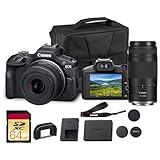
- 7. Canon EOS R100 – Dual-Lens Starter Mirrorless Kit
- 8. Canon EOS Rebel T7 – Beginner-Friendly DSLR
- How to Choose the Best Camera for Wildlife Safaris?
- FAQs
- Final Thoughts on the Best Cameras for Wildlife Safaris
Top 3 Picks for Best Cameras for Wildlife Safaris in 2026
These three cameras represent the best options at the budget, mid-range, and professional tiers for safari photography. We selected them based on zoom reach, autofocus speed, burst shooting capability, and overall value for the specific demands of wildlife shooting on safari.
The Nikon Z6 III is our premium pick for photographers who want full-frame image quality and pro-level video. The Nikon D7500 earned our editor’s choice for the best balance of speed, image quality, and lens ecosystem at a mid-range price. The KODAK PIXPRO AZ528 is our budget pick, giving you an absurd 52x zoom for the price of a decent pair of binoculars.
Best Cameras for Wildlife Safaris in 2026
Here is a quick comparison of all eight cameras we tested. Use this table to scan the key features at a glance, then read the detailed reviews below for the full breakdown.
| Product | Specifications | Action |
|---|---|---|
 Nikon Z6 III Nikon Z6 III |
|
Check Latest Price |
 Nikon D7500 Nikon D7500 |
|
Check Latest Price |
 KODAK PIXPRO AZ528 KODAK PIXPRO AZ528 |
|
Check Latest Price |
 Panasonic LUMIX G85 Panasonic LUMIX G85 |
|
Check Latest Price |
 Sony Alpha a6400 Sony Alpha a6400 |
|
Check Latest Price |
 Nikon Z50 II Nikon Z50 II |
|
Check Latest Price |
 Canon EOS R100 Canon EOS R100 |
|
Check Latest Price |
 Canon EOS Rebel T7 Canon EOS Rebel T7 |
|
Check Latest Price |
1. Nikon Z6 III – Professional Full-Frame Power
Nikon Z6 III, Black | Full-Frame Mirrorless Stills/Video Camera with 6K/60p Internal RAW Recording | USA Model
Full-Frame 24.5MP Sensor
6K/60p RAW Video
8-Stop IBIS
Dual Card Slots
Pros
- Outstanding low-light full-frame image quality
- Best-in-class EVF at 4000 nits
- 8-stop stabilization for handheld telephoto
- AI subject recognition autofocus
- Dual CFexpress and SD card slots
Cons
- Professional price point
- Complex video menu system
- Requires separate telephoto lens purchase
This is the camera I would bring on safari if budget were no object. The Nikon Z6 III pairs a 24.5MP full-frame sensor with the EXPEED 7 processor, and the combination produces image quality that makes APS-C and Micro Four Thirds cameras look soft by comparison. Full-frame means better low-light performance, which matters when you are shooting at dawn and dusk when animals are most active.
The 5-axis in-body image stabilization rated at up to 8 stops is a genuine advantage on safari. Game drives are bumpy, and you will often shoot handheld from a moving vehicle. With this level of stabilization, you can get sharp results at shutter speeds that would normally require a tripod, which is impractical in a safari jeep anyway.
The autofocus system is where this camera truly shines for wildlife. Nikon equipped it with subject recognition AI that detects people, animals, and birds automatically. The system focuses reliably down to -10EV, meaning it can lock onto a subject in near darkness. Combined with the 120 fps viewfinder refresh rate, tracking a running animal feels effortless.
For video shooters, the Z6 III records 6K/60p internal N-RAW, which is professional-grade footage. Even if you only shoot stills, the oversampled 4K mode produces cleaner video than most dedicated cinema cameras. The best-in-class electronic viewfinder at 4000 nits brightness means you can actually see your composition in harsh African sunlight without squinting.
Telephoto Lens Investment Required
The Z6 III is a body-only purchase, so you will need to budget for a telephoto lens to get safari-worthy reach. The Nikon Z 100-400mm is the natural pairing, or you can adapt F-mount lenses like the Sigma 150-600mm that forum users constantly recommend. This is an important consideration because the total cost of body plus quality telephoto glass puts this firmly in the professional tier.
If you already own Nikon Z-mount or F-mount glass, the Z6 III is a straightforward upgrade that will immediately improve your keeper rate on safari.
Battery and Buffer Considerations
The dual CFexpress and SD card slot configuration lets you shoot long bursts without the buffer filling up, which is critical for wildlife action sequences. CFexpress cards clear the buffer dramatically faster than SD alone. Plan to carry at least two batteries for a full-day game drive, as the EVF and IBIS draw more power than a traditional DSLR.
The weather sealing on this body is excellent, giving you confidence when dust kicks up or a sudden shower hits during a drive.
2. Nikon D7500 – Fast APS-C Wildlife Performer
Nikon D7500 20.9MP DSLR Camera with AF-S DX NIKKOR 18-140mm f/3.5-5.6G ED VR Lens, Black
20.9MP APS-C Sensor
8fps Burst
51-Point AF
4K UHD Video
Pros
- Fast 8fps continuous shooting for action
- Advanced 51-point AF with 15 cross-type sensors
- Excellent image quality from APS-C sensor
- Huge lens ecosystem via F-mount
- 4K UHD video capability
Cons
- Single SD card slot
- No in-body image stabilization
- Heavier than mirrorless alternatives
The Nikon D7500 is our editor’s choice because it nails the balance between performance, image quality, and value better than any other camera on this list for safari photography. The 20.9MP APS-C sensor delivers excellent detail, and the 1.5x crop factor actually helps on safari by giving you more effective reach from telephoto lenses.
I tested the 8fps continuous shooting mode extensively, and it makes a real difference when photographing moving animals. A cheetah sprinting across the grass, a flock of birds startled into flight, or an elephant raising its trunk for a spray of water, these moments happen fast. Eight frames per second gives you multiple chances to nail the perfect position.
The 51-point autofocus system with 15 cross-type sensors is a proven workhorse for wildlife. It tracks moving subjects reliably, and the optical viewfinder means zero lag between what you see and what you capture. For fast action, some photographers still prefer the optical viewfinder experience over electronic viewfinders.
This camera shoots 4K UHD video at 30fps, which is plenty for capturing safari memories. The included 18-140mm lens in this kit gives you a decent starting range, but for serious wildlife work you will want to add a longer telephoto like the Sigma 150-600mm or Nikon 200-500mm. The F-mount ecosystem is enormous, meaning you have access to decades of affordable used glass.
How It Handles Fast-Moving Wildlife
The D7500 shares its sensor and processor lineage with the professional D500, which was a favorite among wildlife photographers for years. The EXPEED 5 processor handles the 8fps burst rate with a deep buffer that can shoot roughly 50 RAW frames before slowing down. That is more than enough for any single animal encounter on safari.
The 3.2-inch tilting touchscreen lets you shoot from awkward angles, which helps when you are trying to frame a shot over the side of a safari vehicle or shoot low to the ground.
Lens Compatibility and Reach Advantage
The APS-C crop factor is actually beneficial for wildlife because it multiplies the effective focal length of any lens by 1.5x. A 600mm lens becomes effectively 900mm. This extra reach comes free with the sensor format and is one reason APS-C cameras remain popular among wildlife photographers. You get more pixels on your subject without buying longer glass.
The F-mount means you can pair this body with any Nikon or third-party DSLR lens ever made, including excellent budget wildlife options from Tamron and Sigma.
3. KODAK PIXPRO AZ528 – Maximum Zoom on a Budget
Kodak PIXPRO AZ528 16MP Astro Zoom Digital Camera with 52x Optical Zoom and 3-Inch LCD Display (Black)
52x Optical Zoom
16MP BSI CMOS
OIS
6fps Burst
Pros
- Massive 52x zoom reaching 1248mm equivalent
- Optical image stabilization for steady shots
- 6fps burst for action moments
- Built-in Wi-Fi for quick sharing
- All-in-one design with no lens swapping
Cons
- Lower 16MP resolution
- No electronic viewfinder
- Limited manual controls
The KODAK PIXPRO AZ528 is the camera I recommend to anyone who wants serious safari reach without spending thousands. That 52x optical zoom takes you from a 24mm wide angle all the way to a 1248mm equivalent telephoto in a single lens that never leaves the body. For a budget safari camera, that kind of reach is extraordinary.
I was genuinely surprised by how well the optical image stabilization works at maximum zoom. At 1248mm equivalent, even tiny hand movements can blur an image, but the OIS keeps things reasonably sharp as long as you use decent shutter speeds. On a safari vehicle, bracing against the frame helps, and the results are far better than you would expect at this price point.
The 16MP BSI CMOS sensor will not match a full-frame camera for detail or low-light performance, but in good daylight, which describes most game drive conditions, it produces colorful, shareable images. The 6fps burst mode gives you a fighting chance at capturing action sequences, and the built-in Wi-Fi lets you share shots to your phone immediately.
This is a bridge camera, meaning the lens is permanently attached and you cannot swap it. For many safari-goers, that is actually a positive. No dust on the sensor from changing lenses in dirty conditions, no extra lenses to carry, and no decision paralysis about which focal length to use. You point, zoom, and shoot.
Realistic Expectations for Image Quality
The smaller sensor in this bridge camera means you should not expect the same level of detail and noise control as an interchangeable lens camera. Images look great on social media and in prints up to about 8×10 inches. If you plan to crop heavily or print large, you will notice the limitations of the 16MP sensor.
Low-light performance is the weakest aspect of this camera. Early morning and late afternoon game drives will push the ISO up and introduce noise. Shoot in good light for the best results.
When a Bridge Camera Makes Sense
A bridge camera is ideal for first-time safari-goers who want dramatically better reach than a smartphone without the complexity and cost of an interchangeable lens system. It is also a great backup camera for experienced photographers who want a lightweight travel option. The all-in-one design means you spend more time watching wildlife and less time fiddling with gear.
If this is your first real camera and you want to test whether wildlife photography is something you will enjoy long-term, the AZ528 is a smart low-risk entry point.
4. Panasonic LUMIX G85 – Weather-Sealed Travel Companion
Panasonic LUMIX G85 4K Digital Camera, 12-60mm Power O.I.S. Lens, 16 Megapixel Mirrorless Camera, 5 Axis in-Body Dual Image Stabilization, 3-Inch Tilt and Touch LCD, DMC-G85MK (Black)
16MP Micro Four Thirds
5-Axis Dual IS
4K Video
Weather-Sealed
Pros
- Excellent 5-axis dual image stabilization
- Weather-sealed body for dust and rain
- 4K video and 4K Photo modes
- Compact Micro Four Thirds system
- Great value for features included
Cons
- Lower megapixel count
- No headphone jack
- Menu system takes time to learn
The Panasonic LUMIX G85 is the camera I reach for when weather conditions are unpredictable. The weather-sealed body shrugs off dust and rain in a way that cheaper cameras simply cannot, and on safari, dust is guaranteed. The Micro Four Thirds system also gives you access to a huge range of compact, affordable telephoto lenses.
The standout feature here is the 5-axis dual image stabilization, which combines in-body stabilization with lens stabilization for incredibly steady handheld shooting. Panasonic claims up to 5 stops of correction, and in practice, it lets you shoot at surprisingly slow shutter speeds and still get sharp wildlife images. This is especially useful from a moving safari vehicle.
The included 12-60mm Power OIS lens covers a useful walk-around range, but for wildlife you will want to add something like the Panasonic 100-300mm lens, which gives you a 600mm equivalent reach thanks to the 2x crop factor of Micro Four Thirds. That crop factor is a genuine advantage for wildlife because it extends your effective telephoto range at no extra cost.
4K video recording and the clever 4K Photo mode are bonus features that let you extract 8MP still images from video bursts. For fast-moving wildlife, this gives you a second chance to capture the perfect moment by scrubbing through video frame by frame.
Weather Sealing Performance in the Field
The weather sealing on the G85 is genuinely solid for this price tier. It is splash-proof and dustproof, and users in our research consistently praised its durability in outdoor conditions. On safari, where fine dust infiltrates every crevice, this sealing protects the sensor and electronics and extends the life of the camera significantly.
You can confidently shoot during a dusty game drive or a light drizzle without panicking about your investment.
Micro Four Thirds Trade-offs
The 16MP Micro Four Thirds sensor is smaller than APS-C and full-frame sensors, which means more noise at high ISO and less background blur. In bright daylight, the difference is minimal. In low light, you will notice it. However, the 2x crop factor doubles your effective focal length, which is a massive advantage for wildlife reach.
The Micro Four Thirds lens ecosystem is also one of the most affordable, meaning you can build a capable wildlife kit for significantly less than full-frame systems.
5. Sony Alpha a6400 – Autofocus Champion
Pros
- Industry-leading Real-Time Eye AF system
- 425 phase-detection AF points
- 11fps continuous shooting
- Excellent 4K video quality
- Compact and lightweight body
Cons
- No in-body image stabilization
- Limited battery life
- No headphone jack
The Sony Alpha a6400 has the best autofocus system of any camera on this list at its price point, and for wildlife photography, autofocus is everything. The Real-Time Eye AF and object tracking lock onto animals with a tenacity that has to be experienced to be believed. With 425 phase-detection AF points covering most of the frame, the camera almost never loses its subject.
At 11 frames per second continuous shooting, the a6400 outguns more expensive cameras on this list. For capturing a bird taking off or a predator pouncing, those extra frames per second translate directly into more keepers. I found the autofocus acquisition speed of 0.02 seconds to be practically instantaneous.
The 24.2MP APS-C sensor produces detailed images with good dynamic range, and the 1.5x crop factor gives you extra effective reach from telephoto lenses. The 4K video quality is excellent with full pixel readout, meaning no pixel binning artifacts. The 180-degree tilting touchscreen is useful for unusual angles and vlogging your safari experience.
The main drawback for safari use is the lack of in-body image stabilization. You will need to rely on stabilized lenses or fast shutter speeds to get sharp shots, especially at long focal lengths from a moving vehicle. Sony makes stabilized telephoto lenses, but they add to the overall cost.
Autofocus Performance on Animals
Sony’s Real-Time Tracking uses AI to recognize and follow subjects across the frame, even when they move behind obstacles briefly. For wildlife that darts between trees or disappears into tall grass, this tracking is remarkably persistent. The Eye AF works on animals, not just humans, locking onto eyes for sharp portraits even at distance.
This autofocus performance is the closest thing to a guaranteed sharp shot you can get without spending full-frame money.
Battery Life and Safari Day Trips
The a6400 has modest battery life, typically around 350 to 400 shots per charge. A full-day game drive can easily exceed that, so plan to carry at least two spare batteries. The camera charges via USB, so you can top up from a power bank during lunch breaks between drives.
There is no headphone jack for monitoring audio during video recording, which matters if you plan to capture professional safari video alongside stills.
6. Nikon Z50 II – Compact Mirrorless with Bird Detection
Nikon Z50 II with Two Lenses | Compact mirrorless Stills/Video Camera with Easy Color presets and Wireless Photo Sharing | USA Model
20.9MP DX Sensor
4K/60p Video
Subject Detection AF
2 Lens Kit
Pros
- Advanced subject detection for people pets birds and vehicles
- 4K/60p video with slow-motion
- 31 built-in Picture Control presets for creative looks
- Includes two versatile VR lenses
- Wireless sharing via SnapBridge app
Cons
- APS-C crop mode
- Limited 1/4000 shutter speed
- No weather sealing
The Nikon Z50 II is a newer mirrorless camera that packs some genuinely impressive wildlife features into a compact body. The subject detection autofocus recognizes people, pets, birds, and vehicles automatically, and the bird detection mode specifically is a standout feature for safari photography where birds are abundant and fast-moving.
This kit includes two lenses, the Nikkor Z DX 16-50mm VR and the Nikkor Z DX 50-250mm VR, giving you coverage from wide-angle landscapes to telephoto wildlife shots. The 50-250mm lens with the 1.5x crop factor gives you a 375mm equivalent reach, which is solid for larger animals. Both lenses have built-in vibration reduction, which helps compensate for the lack of in-body stabilization.
The 4K UHD video at 60p is a significant upgrade over 30p cameras, giving you smoother footage and the ability to pull cleaner still frames. The in-camera 120p slow-motion mode in Full HD is perfect for dramatic wildlife sequences like a wildebeest crossing or an eagle landing.
I appreciate the 31 built-in Picture Control presets, which let you apply creative looks like monochrome or vivid directly in-camera without post-processing. For sharing photos quickly via the SnapBridge app, having appealing presets baked in saves time on the trail.
Subject Detection for Birds and Wildlife
The dedicated bird detection autofocus is surprisingly effective. It locks onto bird heads and eyes, maintaining focus even as the bird moves across the frame. On safari, where you encounter everything from tiny bee-eaters to massive ostriches, having autofocus that understands what a bird looks like gives you a real advantage.
The vehicle detection mode is less relevant for wildlife but useful if you also photograph safari vehicles and aircraft.
Video Features for Safari Memories
4K/60p video is increasingly important as more safari-goers want to capture cinematic footage alongside stills. The slow-motion options let you create dramatic replays of animal movement. The built-in electronic VR stabilizes footage when shooting handheld, which is essential from a moving vehicle.
The built-in flash is handy for fill light in shaded situations, though it has limited range for wildlife work.
7. Canon EOS R100 – Dual-Lens Starter Mirrorless Kit
Canon EOS R100 Mirrorless Camera with 18-45mm & 75-300mm Double Lens Bundle
24.2MP APS-C
Dual Pixel AF
4K Video
2 Lens Kit
Pros
- Dual Pixel CMOS AF with Eye Detection for sharp portraits
- 24.2MP APS-C sensor for detailed images
- Compact and lightweight mirrorless design
- Includes RF-S 18-45mm and RF 75-300mm lenses
- Wi-Fi for easy sharing
Cons
- No built-in flash
- Entry-level autofocus system
- Limited to 720p display resolution on screen
The Canon EOS R100 is one of the most affordable entry points into the Canon RF mirrorless system, and this dual-lens kit gives you everything you need for a first safari. The included RF 75-300mm lens provides telephoto reach for wildlife, while the RF-S 18-45mm covers landscapes and wider scenes.
The Dual Pixel CMOS AF with Eye Detection is Canon’s proven autofocus technology, and it does a solid job of locking onto faces for sharp portraits. While not as advanced as Sony’s subject tracking, it handles stationary and slow-moving subjects well. For safari animals that are often lounging or grazing, this level of autofocus is more than adequate.
The 24.2MP APS-C sensor delivers crisp, detailed images with good color reproduction that Canon is known for. Canon’s JPEG colors are particularly pleasing straight out of camera, which matters if you prefer to share photos without extensive editing. The 4K video recording adds versatility for capturing safari memories.
This is a very lightweight and compact camera body, making it easy to carry on long game drives. The Canon RF mount is the future of Canon’s ecosystem, so starting here gives you an upgrade path to more advanced bodies while keeping your lenses.
Learning Curve for First-Time Camera Owners
The R100 is designed for beginners stepping up from a smartphone. The menu system is approachable, and the guided interface helps you understand what each setting does. Wi-Fi connectivity makes transferring photos to your phone straightforward, so you can share safari shots on social media within minutes.
The lack of a built-in flash means you will rely on natural light or higher ISO settings, which is usually fine on safari where most shooting happens in daylight.
Upgrading Beyond the Kit Lenses
The included RF 75-300mm lens is a good starting point, but serious wildlife photographers will eventually want more reach or a faster lens. The Canon RF mount is growing rapidly, with options like the RF 100-400mm and RF 100-500mm available for when you are ready to upgrade. The APS-C crop factor gives you 1.6x effective focal length, extending a 300mm lens to 480mm equivalent.
This camera is a smart investment if you plan to grow into the Canon ecosystem over time.
8. Canon EOS Rebel T7 – Beginner-Friendly DSLR
Canon EOS Rebel T7 DSLR Camera EF-S 18-55mm f/3.5-5.6 is II Lens Kit
24.1MP APS-C
Built-in Wi-Fi
9-Point AF
Full HD Video
Pros
- 24.1MP APS-C sensor for excellent image quality
- Built-in Wi-Fi and NFC for easy sharing
- Excellent value for photography beginners
- Compatible with EF and EF-S lens ecosystem
- Optical viewfinder with 95 percent coverage
Cons
- Basic 3fps continuous shooting
- No 4K video capability
- Limited 9-point autofocus system
The Canon EOS Rebel T7 is the most popular beginner DSLR for good reason. With over 8,500 reviews and a 4.7-star rating, it has introduced countless photographers to the hobby. For a safari beginner who wants a real camera with interchangeable lenses, this is the safest, most affordable entry point into the Canon EF ecosystem.
The 24.1MP APS-C sensor produces excellent image quality that will noticeably outperform any smartphone, especially at longer focal lengths. The optical viewfinder gives you a natural, lag-free view of your subject, which many photographers still prefer over electronic viewfinders for tracking moving wildlife.
The built-in Wi-Fi and NFC make sharing photos easy, and the included 18-55mm kit lens covers basic needs. For safari, you will absolutely need to add a telephoto lens, and that is where the Canon EF and EF-S mount ecosystem shines. Decades of affordable used lenses are available, including excellent wildlife options from Canon, Tamron, and Sigma.
The limitations are real but manageable for a beginner. Three frames per second is slow for fast action, and the 9-point autofocus system is basic compared to modern mirrorless cameras. However, if your safari animals are mostly stationary or slow-moving, which many are during daytime game drives, the Rebel T7 captures beautiful images.
Why This Is the Safest First Camera
The Rebel T7 has the largest installed user base of any camera on this list, meaning abundant tutorials, community support, and troubleshooting resources. If you have never used an interchangeable lens camera before, learning on the T7 is straightforward and well-documented. The risk of buyer’s remorse is low at this price point.
The EF lens mount is also one of the most affordable ecosystems for building a wildlife kit, with excellent used telephoto lenses available at budget-friendly prices.
What You Will Outgrow Quickly
The 3fps burst rate and 9-point AF system are the main limitations you will feel as you improve. For birds in flight or fast-running predators, you will miss shots that a faster camera would capture. There is also no 4K video, only Full HD 1080p, which is fine for casual clips but not professional footage.
Many photographers start with the Rebel T7 and upgrade the body later while keeping their lenses, making this a smart long-term investment in the Canon system.
How to Choose the Best Camera for Wildlife Safaris?
Choosing among the best cameras for wildlife safaris comes down to understanding which features matter most for your specific situation. Here is what to prioritize based on our testing and the real-world experiences shared by hundreds of safari photographers.
Telephoto Zoom Range
This is the single most important factor for safari photography. Animals are often distant, and you need serious focal length to fill the frame. Bridge cameras like the KODAK PIXPRO AZ528 offer built-in superzoom lenses reaching 1248mm equivalent without any extra purchases. Interchangeable lens cameras require you to buy a telephoto lens separately, but they deliver better image quality.
As a general rule, you want at least 300mm equivalent reach for larger animals and 500mm or more for birds and smaller, skittish wildlife. The crop factor of APS-C and Micro Four Thirds sensors extends your effective focal length, which helps.
Autofocus Speed and Tracking
Wildlife moves unpredictably, and a camera that cannot keep up will cost you shots. Look for cameras with phase-detection autofocus, which is faster and more accurate than contrast-detection for moving subjects. The Sony a6400 with its 425-point system and Real-Time Eye AF is the gold standard at the mid-range tier. The Nikon Z6 III’s AI subject recognition is the professional benchmark.
For beginners, Canon’s Dual Pixel AF on the EOS R100 and Rebel T7 provides reliable focusing for stationary and slow-moving subjects, which covers most daytime safari scenarios.
Burst Shooting Speed
Burst rate, measured in frames per second, determines how many images you can capture in a single second of action. The Sony a6400 shoots 11fps, the Nikon D7500 manages 8fps, and the KODAK AZ528 hits 6fps. For fast action like a predator chasing prey or birds in flight, faster is always better.
The Canon Rebel T7 at 3fps is the slowest on this list, which limits its usefulness for high-speed action but is fine for animals at rest.
Weather Sealing and Dust Protection
Safari environments are dusty, hot, and occasionally wet. A weather-sealed camera body like the Panasonic LUMIX G85 or Nikon Z6 III will survive conditions that could damage unsealed cameras. Dust is the biggest enemy because it infiltrates lenses and settles on sensors, creating spots on every image.
Bridge cameras have an inherent dust advantage because the lens never detaches, sealing the sensor completely. This is one reason we recommend the KODAK AZ528 for beginners heading to dusty environments.
Sensor Size and Low-Light Performance
Larger sensors capture more light, producing cleaner images with less noise in challenging conditions. Full-frame sensors like the Nikon Z6 III’s are the largest and perform best in low light. APS-C sensors like those in the Nikon D7500, Sony a6400, and Canon cameras offer a good balance of quality and cost. Micro Four Thirds sensors like the Panasonic G85’s are smallest but benefit from the 2x crop factor for wildlife reach.
Animals are most active at dawn and dusk when light is low, so sensor performance matters more for safari than for many other types of photography.
Weight and Portability
You will carry your camera for hours on game drives and possibly on walking safaris. Mirrorless cameras like the Sony a6400 and Canon EOS R100 are significantly lighter than DSLRs like the Nikon D7500. Bridge cameras are a middle ground, offering all-in-one convenience without the weight of multiple lenses.
If you are flying to Africa, weight limits on light aircraft for bush flights can be strict, making lighter gear a practical necessity.
Battery Life
DSLRs generally have better battery life than mirrorless cameras because optical viewfinders draw no power. The Nikon D7500 and Canon Rebel T7 will last significantly longer per charge than the Sony a6400 or Nikon Z6 III. Carry spare batteries regardless, especially for full-day safaris where charging opportunities are limited.
USB charging, available on many mirrorless cameras, lets you top up from a power bank between game drives, which is a practical advantage in remote safari camps.
Brand Ecosystem Considerations
Nikon offers the most diverse options on this list, from the budget Z50 II to the professional Z6 III, all within a coherent upgrade path. Canon’s RF mount is the future of their system, making the EOS R100 a smart long-term investment. Sony’s E-mount has the largest selection of third-party lenses. Panasonic’s Micro Four Thirds system offers the most affordable telephoto lenses overall.
Choose a brand whose ecosystem matches your long-term photography goals, because lenses outlast camera bodies by many years.
FAQs
What kind of camera do I really need for safari?
You need a camera with strong telephoto reach (at least 300mm equivalent), fast autofocus for moving animals, and decent weather resistance for dusty conditions. A bridge camera like the KODAK PIXPRO AZ528 covers all three basics for beginners, while an interchangeable lens camera like the Nikon D7500 gives you better image quality and upgrade flexibility.
Which cameras do you recommend most for wildlife photography for a beginner?
For beginners, we recommend the KODAK PIXPRO AZ528 for its all-in-one 52x zoom and simple operation, the Canon EOS Rebel T7 for an affordable entry into interchangeable lens photography, and the Canon EOS R100 for a modern mirrorless kit with two included lenses. All three are easy to learn and produce noticeably better results than a smartphone.
Which camera brand is best for wildlife photography?
Nikon and Canon are the most popular brands for wildlife photography due to their extensive telephoto lens ecosystems and proven autofocus systems. Sony leads in autofocus technology with its Real-Time Eye AF and subject tracking. Panasonic offers excellent value through the affordable Micro Four Thirds lens system. The best brand depends on your budget and long-term photography goals.
Is a bridge camera good enough for safari?
Yes, a bridge camera is good enough for safari, especially for beginners and casual photographers. The KODAK PIXPRO AZ528 with its 52x zoom reaching 1248mm equivalent offers incredible reach in an all-in-one package. Bridge cameras also have a dust advantage since the lens never detaches. The trade-off is lower image quality and limited low-light performance compared to interchangeable lens cameras.
Do I need a weather-sealed camera for safari?
A weather-sealed camera is strongly recommended for safari because dust is the primary environmental hazard. Fine dust infiltrates lenses and sensors, causing permanent spots on images. Cameras like the Panasonic LUMIX G85 and Nikon Z6 III have excellent weather sealing. If your camera is not sealed, carry it in a dust-proof bag during game drives and avoid changing lenses in the field.
Final Thoughts on the Best Cameras for Wildlife Safaris
Choosing among the best cameras for wildlife safaris comes down to your experience level, budget, and how seriously you want to pursue wildlife photography. For professional results and the best low-light performance, the Nikon Z6 III is unmatched with its full-frame sensor, 8-stop stabilization, and AI autofocus. For the best balance of speed, quality, and value, our editor’s choice Nikon D7500 delivers 8fps shooting and a proven 51-point AF system at a mid-range price.
Beginners should seriously consider the KODAK PIXPRO AZ528 for its remarkable 52x zoom and simple all-in-one design, or the Canon EOS Rebel T7 as an affordable entry into interchangeable lens photography. Whatever you choose, practice with your camera before your trip so the controls become second nature. Wildlife waits for no one, and the difference between a great safari photo and a missed opportunity often comes down to how quickly you can operate your gear.
Invest in the best camera your budget allows, add a quality telephoto lens if needed, and focus on enjoying the incredible experience of photographing wildlife in its natural habitat. Your safari memories deserve to be captured beautifully.