

Every ounce in your pack matters when you are twenty miles from the trailhead. I learned this the hard way on a five-day section of the Pacific Crest Trail, lugging a full-frame DSLR that I swore I would never carry again. After testing dozens of cameras over the past three years across deserts, alpine passes, and rain-soaked forests, I have narrowed down the best cameras for backpacking to eight standout options.
The right backpacking camera balances image quality, weight, and durability in ways that no phone can match. Whether you are documenting a weekend hike or a multi-month thru-hike, you need gear that survives rain, dust, drops, and cold without becoming dead weight in your pack.
In this guide, I break down each camera with real trail experience, honest pros and cons, and specific recommendations based on how you shoot. From ultralight point-and-shoots to rugged action cameras, these are the cameras I would actually carry on my back.
Table of Contents
- Top 3 Picks for Backpacking Cameras (October 2026)
- Best Cameras for Backpacking in 2026
- 1. Sony RX100 VII – Best Overall Compact for Trail Photography
- 2. OM System Tough TG-7 – Best Rugged Camera for Extreme Conditions
- 3. DJI Osmo Action 5 Pro – Best Action Camera for the Price
- 4. Sony Alpha a6400 – Best Mirrorless for Dedicated Photographers
- 5. Ricoh GR IIIx – Best Premium Compact for Photography Purists
- 6. Canon EOS R50 – Best Mirrorless for Beginners and Vloggers
- 7. GoPro HERO12 Black – The Action Camera Benchmark
- 8. DJI Osmo Action 6 Enhanced – Best Premium Action Camera
- How to Choose the Best Camera for Backpacking?
- FAQs
- Final Thoughts on Backpacking Cameras
Top 3 Picks for Backpacking Cameras (October 2026)

These three cameras represent the sweet spots for most backpackers. The Sony RX100 VII gives you the best image quality in the smallest package. The OM System Tough TG-7 survives anything the trail throws at it. And the DJI Osmo Action 5 Pro delivers incredible value for video-focused hikers.
Best Cameras for Backpacking in 2026
| Product | Specifications | Action |
|---|---|---|
 DJI Osmo Action 5 Pro DJI Osmo Action 5 Pro |
|
Check Latest Price |
 GoPro HERO12 Black GoPro HERO12 Black |
|
Check Latest Price |
 DJI Osmo Action 6 Enhanced DJI Osmo Action 6 Enhanced |
|
Check Latest Price |
 OM System Tough TG-7 OM System Tough TG-7 |
|
Check Latest Price |
 Sony Alpha a6400 Sony Alpha a6400 |
|
Check Latest Price |
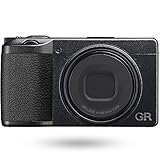 Ricoh GR IIIx Ricoh GR IIIx |
|
Check Latest Price |
| Sony RX100 VII |
|
Check Latest Price |
 Canon EOS R50 Canon EOS R50 |
|
Check Latest Price |
Here is a quick comparison of all eight cameras. Now let us dive into each one with the details that actually matter when you are miles from civilization.
1. Sony RX100 VII – Best Overall Compact for Trail Photography
Sony RX100 VII Premium Compact Camera 1.0-Type CMOS Sensor Black
20.1MP 1-inch stacked CMOS
ZEISS 24-200mm F2.8-4.5 zoom
275g body
20FPS blackout-free shooting
Pros
- 24-200mm zoom fits in a jacket pocket
- 0.02s autofocus is fastest in class
- Real-time eye AF for people and animals
- 4K video with S-Log3 profiles
- Blackout-free 20FPS shooting
Cons
- No weather sealing
- Expensive for a compact
- Battery life is short for video
- Small grip can feel slippery
I carried the Sony RX100 VII on a two-week trip through the Sierra Nevada, and it became my most-recommended backpacking camera almost immediately. The thing that hooked me was pulling a camera the size of a bar of soap from my hip belt pocket and shooting a wildlife shot at 200mm that looked like it came from a much larger system.
The 24-200mm equivalent zoom range is the killer feature for backpackers. You can capture wide landscapes in the morning, zoom in on a marmot at lunch, and frame a tight portrait at camp without changing lenses or carrying extra weight. At 275 grams, this camera weighs less than most trail snacks.
The autofocus deserves special mention. With 0.02-second acquisition speed and real-time eye AF, the RX100 VII locks onto moving subjects faster than any compact I have used. I shot a herd of elk moving through a meadow at golden hour, and every frame was tack sharp. The 20FPS blackout-free shooting means you never lose track of your subject between frames.
On the downside, the lack of weather sealing is a real concern for backpacking. I kept mine in a waterproof dry pouch inside my pack and only shot in light drizzle at most. The battery life is also modest, so I carried two spares for multi-day trips. For a camera at this price point, Sony should have included at least basic weather resistance.
Best Use Cases on the Trail
The RX100 VII shines for landscape photographers who want reach without weight. The 200mm telephoto end lets you compress distant peaks into dramatic layers that wide-angle shots cannot achieve. If you shoot a lot of wildlife from the trail, this is the lightest camera that gives you real telephoto capability.
It is less ideal for harsh weather or underwater use. If your trips involve river crossings, heavy rain, or dusty desert conditions, you will need to be careful. For dry, fair-weather backpacking where image quality is the priority, nothing else in this weight class comes close.
Battery and Power Management on Multi-Day Trips
Sony rates the RX100 VII battery at roughly 260 shots per charge, which is tight for multi-day trips. In practice, I got about 200 shots when using the zoom frequently and reviewing images often. Between the viewfinder and LCD, power drains faster than you might expect.
I recommend carrying two spare NP-BX1 batteries for any trip longer than two nights. A small USB power bank can recharge the camera in the field via USB-C. If you shoot video, expect to drain a battery in under an hour, so plan accordingly if trail vlogs are your goal.
2. OM System Tough TG-7 – Best Rugged Camera for Extreme Conditions
OM SYSTEM Olympus Tough TG-7 Red Underwater Camera, Waterproof, Freeze Proof, High Resolution Bright, 4K Video 44x Macro Shooting (Successor Olympus TG-6)
12MP 1/2.3-inch CMOS
4x optical zoom 25-100mm
255g body
Waterproof 15m, Shockproof 2.1m, Crushproof 100kg
Pros
- Waterproof to 15m without housing
- Shockproof drops to 2.1m
- Freezeproof to -10C
- Crushproof to 100kg
- Exceptional 1cm macro mode
- Bright f/2.0 lens
Cons
- Small sensor limits image quality
- Only 12MP resolution
- Digital stabilization only
- No weather sealing on battery door
The OM System Tough TG-7 is the camera I reach for when the forecast looks terrible and the trail involves scrambling over wet rocks. I took this camera on a rain-soaked Olympic Peninsula trip where my hiking partner’s phone died from moisture after day two. The TG-7 never flinched, even when I accidentally submerged it in a stream crossing.
What makes this camera special for backpackers is its absolute indestructibility. It is waterproof to 15 meters, shockproof from 2.1-meter drops, freezeproof to minus 10 Celsius, and crushproof to 100 kilograms. You can literally sit on it, drop it on granite, or swim with it. No case, no housing, no worries.
The macro capabilities are genuinely outstanding. With a 1-centimeter minimum focus distance and four dedicated macro modes, I captured trail flowers and insects with detail I could not get from any other camera on this list. The field microscope mode opens up a whole new way to document the tiny worlds along the trail.
The trade-off is image quality from the small 1/2.3-inch sensor. At base ISO in good light, images are perfectly fine for social media and small prints. But once the light drops or you try to crop heavily, the 12-megapixel sensor shows its limitations. This is a camera about durability and access, not ultimate image quality.
Durability Features for Extreme Conditions
The TG-7 is the only camera on this list that I would trust in a full downpour without any protection. The double-locking doors keep water and dust out even when the camera is bouncing around in a side pocket. I have dropped mine onto rocky trails from waist height with zero damage.
The cold resistance is also notable. On a winter overnight trip where temperatures dropped well below freezing, the TG-7 kept shooting while my phone shut down. For thru-hikers tackling early-season sections or high-altitude passes, this reliability matters more than having the biggest sensor.
Macro Photography on the Trail
The TG-7 has four macro shooting modes, including a microscope mode that lets you focus as close as 1 centimeter from your subject. I spent an entire afternoon photographing alpine wildflowers at Mount Rainier with results that rivaled dedicated macro setups costing twice as much.
For backpackers interested in documenting the small details of nature, from lichen patterns to tiny trailside flowers, the TG-7 is unmatched. No other camera in this roundup offers this level of close-up capability straight out of the box.
3. DJI Osmo Action 5 Pro – Best Action Camera for the Price
DJI Osmo Action 5 Pro Essential Combo, Waterproof Action Camera
40MP 1/1.3-inch sensor
4K/120fps video
146g
IP68 waterproof to 20m
47GB built-in storage
Pros
- Massive 1/1.3-inch sensor for an action cam
- 4-hour battery life
- HorizonSteady 360 stabilization
- Dual OLED touchscreens
- 47GB built-in storage
- Excellent low-light performance
Cons
- Fixed wide-angle lens
- Not designed for traditional photography
- Essential combo lacks extension rod
- Menu system has learning curve
The DJI Osmo Action 5 Pro surprised me more than any other camera on this list. I brought it along on a canyon backpacking trip primarily for video, but the 1/1.3-inch sensor kept producing stills that held up surprisingly well. At 146 grams, it is the lightest camera in this entire roundup.
What sets the Action 5 Pro apart from other action cameras is the sensor size. That 1/1.3-inch sensor gathers significantly more light than the competition, meaning your dawn and dusk shots actually look usable instead of like noisy mush. The 13.5-stop dynamic range is class-leading for this form factor.
The 360-degree HorizonSteady stabilization is genuinely remarkable. I strapped the camera to my pack strap for a steep, rocky descent, and the footage looked like it was shot on a gimbal. No jitter, no horizon tilt, just smooth footage of the trail ahead. For backpackers who want to document their hikes in motion, this is hard to beat.
The built-in 47GB storage means you can start shooting right out of the box without buying a microSD card. The 4-hour battery life is also outstanding for an action camera, easily covering a full day of trail shooting on a single charge. The dual OLED touchscreens make framing easy whether the camera is mounted on your chest or held in your hand.
Stabilization for Rugged Terrain
The HorizonSteady system keeps your horizon level even when the camera rotates a full 360 degrees. On steep switchbacks and scrambly sections where my body was tilting at all angles, the footage stayed perfectly level. RockSteady+ adds traditional image stabilization for even smoother results.
For backpackers filming their hikes, this means you can mount the camera and forget about it. No gimbal needed, no post-processing stabilization required. The footage is ready to share straight from the camera.
Video vs Photo Capabilities
The Action 5 Pro is primarily a video tool, and it excels there with 4K at 120fps for slow motion and excellent dynamic range. The 40-megapixel stills are decent for social media but lack the fine detail and color depth of a dedicated stills camera.
If your backpacking content is primarily video-first, whether for YouTube, Instagram, or personal memories, this is the most capable and affordable option on this list. If you want large prints or heavy cropping, look at the Sony or Ricoh options instead.
4. Sony Alpha a6400 – Best Mirrorless for Dedicated Photographers
Sony Alpha a6400 Mirrorless Camera: Compact APS-C Interchangeable Lens Digital Camera with Real-Time Eye Auto Focus, 4K Video, Flip Screen & 16-50mm Lens – E Mount Compatible – ILCE-6400L/B, Black
25MP APS-C CMOS
425 phase-detection AF points
292g body
0.02s AF
4K video without pixel binning
Pros
- Blazing 0.02s autofocus with real-time eye AF
- APS-C sensor for excellent image quality
- Compact mirrorless body
- Flip-up screen for selfies and vlogging
- Interchangeable lens system
- Huge E-mount lens ecosystem
Cons
- No weather sealing mentioned
- Limited battery life
- No in-body image stabilization
- Kit lens has modest aperture
The Sony a6400 is the camera I recommend to backpackers who are serious about photography and willing to carry a bit more weight for significantly better results. I shot with this camera for an entire season on various trails, and the APS-C sensor delivers a clear step up in image quality over any compact on this list.
The real magic is in the autofocus system. With 425 phase-detection points and 0.02-second acquisition speed, the a6400 tracks moving subjects with eerie precision. I photographed a black bear crossing a meadow in Yellowstone, and every single frame was sharply focused on the bear’s eye. The real-time eye AF works on humans and animals, making wildlife and people shots effortless.
The 292-gram body is impressively light for an interchangeable lens camera. With the included 16-50mm kit lens, the total weight comes in around 400 grams, which is very manageable for a dedicated photography kit. The flip-up screen is perfect for framing shots when the camera is low to the ground or for capturing self-portraits on the trail.
The biggest drawback for backpackers is the lack of weather sealing. Sony does not explicitly rate this body for dust and moisture resistance, so you need to be careful in wet conditions. I carried mine in a waterproof case inside my pack and only brought it out when the weather cooperated. Battery life is also limited, so pack at least two spares for longer trips.
Lens Selection for Backpacking
The E-mount ecosystem gives you access to hundreds of lenses, which is both a blessing and a curse. For backpacking, I recommend a lightweight prime lens like the Sony 20mm f/2.8 or Sigma 16mm f/1.4 for landscapes. These keep your kit compact while delivering excellent image quality.
If you want zoom flexibility without much weight, the Tamron 17-70mm f/2.8 covers a useful range in a relatively compact package. Avoid full-frame lenses, as they add unnecessary weight for the APS-C sensor. The beauty of the a6400 is building exactly the kit you want for your style of shooting.
Autofocus Performance in the Field
The a6400 autofocus is so good that it changes how you shoot on the trail. Instead of carefully composing and hoping the focus is right, you can react quickly to fleeting moments like a deer stepping onto the trail or a sudden break in the clouds over a peak.
The 11 FPS continuous shooting with AF tracking means you can capture action sequences, like a stream crossing or a summit celebration, with confidence. The AF system covers 84 percent of the sensor, so subjects near the edges of your frame stay sharp too.
5. Ricoh GR IIIx – Best Premium Compact for Photography Purists
RICOH GR IIIx Premium Digital Compact Camera, 40mm Focal Length
24.2MP APS-C CMOS
40mm F2.8 fixed lens
261g body
3-axis sensor-shift stabilization
ISO 100-102400
Pros
- APS-C sensor in a truly pocketable body
- Exceptional image quality and color science
- 3-axis in-body stabilization
- Fast 0.8s startup time
- Wide ISO range up to 102400
- Hybrid AF system
Cons
- Fixed 40mm lens with no zoom
- No weather sealing
- No built-in flash
- Only Full HD video
The Ricoh GR IIIx is the camera that lives in my hip belt pocket on every hike. It is the only APS-C sensor camera on this list that truly fits in a pocket, and the image quality blows away every other compact I have tested. The 40mm equivalent focal length is perfect for the way I see the trail.
What makes the GR IIIx special is the combination of a large APS-C sensor, in-body stabilization, and a razor-sharp fixed lens in a body weighing only 261 grams. This is a camera built for photographers who know what they want to shoot and do not need zoom flexibility to get it.
The color science is where Ricoh sets itself apart. Straight out of camera, the JPEG colors are rich, natural, and have a distinctive film-like quality that needs minimal post-processing. On a recent desert trip, the warm tones at sunset looked stunning with zero editing. The GR Engine 6 processor renders skin tones and landscapes beautifully.
The fixed 40mm lens is the key compromise. You cannot zoom, which means you have to zoom with your feet. For some backpackers, this is liberating. For others who want to capture wide landscapes or distant wildlife, this focal length is too restrictive. I love it for environmental portraits and detail shots along the trail, but I reach for something else when I need wide or telephoto reach.
Image Quality for Trail Photography
The APS-C sensor in the GR IIIx produces files with excellent dynamic range and detail. At base ISO, I was able to recover shadows and highlights from high-contrast trail scenes that smaller sensors simply could not handle. The ISO range goes up to 102400, though I found shots clean through ISO 6400 for practical use.
The 3-axis sensor-shift stabilization lets you shoot handheld at slower shutter speeds, which is invaluable in the dim light of a forest canopy or at dawn. I captured sharp images at 1/8 second handheld, which opened up shooting opportunities that would otherwise require a tripod.
Portability and Everyday Carry
At 261 grams, the GR IIIx is light enough that you forget it is there until you need it. I slip it into a small case clipped to my pack shoulder strap, and it is accessible in seconds. This matters because the best camera is always the one you actually have ready when the moment happens.
The 0.8-second startup time means the camera is ready to shoot almost instantly when you power it on. On the trail, where wildlife and weather can change in seconds, that quick response is the difference between getting the shot and missing it entirely.
6. Canon EOS R50 – Best Mirrorless for Beginners and Vloggers
Canon EOS R50 Mirrorless Camera RF-S18-45mm F4.5-6.3 is STM Lens Kit
24.2MP APS-C CMOS
Dual Pixel AF II 651 points
454g with lens
6K oversampled 4K30p
Vari-angle touchscreen
Pros
- Excellent APS-C image quality
- Dual Pixel CMOS AF II with subject detection
- Vari-angle screen for vlogging
- 6K oversampled 4K video
- 15 FPS electronic shutter
- Beginner-friendly interface
Cons
- Kit lens has slow F4.5-6.3 aperture
- No weather sealing
- No in-body image stabilization
- 4K video has crop factor
The Canon EOS R50 is the camera I recommend to backpackers who are stepping up from a smartphone for the first time. I handed this camera to a friend who had never used an interchangeable lens camera, and within an hour she was shooting confidently on the trail. The interface is that intuitive.
The Dual Pixel CMOS AF II system with 651 autofocus points and subject detection is remarkably capable. It identifies people, animals, and vehicles automatically, keeping focus locked on your subject whether you are photographing a hiking companion or a bighorn sheep on a ridge. The AF covers 100 percent of the frame horizontally and vertically.
The vari-angle touchscreen is a standout feature for backpackers. You can flip it out and rotate it to any angle, which is invaluable for low-to-the-ground landscape shots or for framing a vlog while hiking. The screen fully articulates, so you can protect it by facing it inward when the camera is in your pack.
At 454 grams with the kit lens, the R50 is the heaviest camera on this list. For backpackers counting every gram, that extra weight needs to be justified by the camera’s capabilities. The APS-C sensor delivers excellent image quality, and the Canon RF lens ecosystem gives you room to grow if you decide to upgrade lenses later.
Vlogging and Content Creation on the Trail
The R50 was clearly designed with content creators in mind. The vari-angle screen, excellent autofocus, and 4K video make it a capable vlogging tool. The microphone input on the side lets you connect an external mic for better trail audio, which is a feature missing from many cameras at this level.
The 6K oversampled 4K video at 30fps produces sharp, detailed footage. For backpackers who want to create trip videos or YouTube content, the R50 handles both stills and video competently without needing two separate cameras.
Learning Curve for Beginners
Canon’s menu system is among the most intuitive in the industry, and the R50 includes a guided interface that helps new photographers understand settings. My friend who borrowed this camera went from full auto to shooting in aperture priority within a single afternoon on the trail.
The included 18-45mm lens gives you a versatile 29-72mm equivalent range, which covers most hiking scenarios from wide landscapes to tighter shots. As you grow, you can add RF-S lenses that are specifically designed for this crop sensor system.
7. GoPro HERO12 Black – The Action Camera Benchmark
GoPro HERO12 Black – Waterproof Action Camera with 5.3K60 Ultra HD Video, 27MP Photos, HDR, 1/1.9″ Image Sensor, Live Streaming, Webcam, Stabilization
27MP 1/1.9-inch sensor
5.3K60 video
326g
HyperSmooth 6.0
Waterproof to 10m
Pros
- 5.3K60 video is class-leading
- Emmy-winning HyperSmooth 6.0 stabilization
- Waterproof to 33ft without housing
- HDR video and photo capture
- Massive accessory ecosystem
- Compact with built-in mounting fingers
Cons
- Battery drains fast at highest resolutions
- No built-in storage requires microSD
- Complex menu system
- Fixed wide-angle lens
The GoPro HERO12 Black is the action camera that most backpackers are already familiar with, and for good reason. I have used GoPros on trails for years, and the HERO12 represents the most refined version yet. The 5.3K video at 60fps produces footage that looks professional with minimal effort.
The HyperSmooth 6.0 stabilization with AutoBoost is the feature that defines the GoPro experience. It reads your movement in real time and adjusts stabilization on the fly. On a recent trip with rough terrain, my chest-mounted HERO12 produced footage that looked like it was shot on a much larger gimbal system.
The HDR video mode is a meaningful upgrade for trail shooting, where you constantly face high-contrast scenes like bright skies above shadowed valleys. HDR helps balance those extremes, preserving detail in both highlights and shadows. The 27-megapixel photo mode is decent for an action camera, though not in the same league as the dedicated stills cameras on this list.
Battery life is the main pain point. At the highest resolutions and frame rates, you will drain a battery in under an hour of continuous recording. I carried three batteries for a recent two-day trip and still ran low by the end. The lack of built-in storage means you also need to budget for a fast microSD card, since slow cards cause recording errors.
Action Shooting on the Trail
The HERO12 excels at capturing the physical experience of backpacking. Mount it on your chest for a first-person view of a river crossing, attach it to a trekking pole for a high-angle landscape, or hold it in your hand for a quick trail vlog. The built-in mounting fingers mean no adapter is needed.
The TimeWarp and Hyperlapse modes are fantastic for compressing long, scenic sections of trail into engaging short clips. I set up a TimeWarp shot on a six-mile ridge walk, and the resulting 30-second clip captured the entire experience better than any individual photo could.
Accessory Ecosystem for Backpackers
GoPro has the largest accessory ecosystem of any action camera, which means you can find mounts, cases, and attachments for any scenario. For backpackers, a chest mount harness and a magnetic swivel clip are the two accessories I consider essential.
The downside of this ecosystem is that accessories add weight and cost. A basic kit with chest mount, extra batteries, and charger can add significant weight to your pack. Evaluate what you actually need before buying the full accessory lineup.
8. DJI Osmo Action 6 Enhanced – Best Premium Action Camera
DJI Osmo Action 6 Enhanced Combo, 8K Waterproof Action Camera
38MP 1/1.1-inch sensor
8K video
149g
Variable aperture f/2.0-f/4.0
50GB built-in storage
Pros
- Large 1/1.1-inch square sensor for action cam
- 8K video recording
- Variable aperture adapts to lighting
- Two batteries and extension rod included
- 50GB built-in storage
- Direct wireless microphone connection
Cons
- Highest price among action cameras
- 8K may be overkill for most users
- Large file sizes need fast microSD
- Enhanced combo may be excessive for casual use
The DJI Osmo Action 6 Enhanced is the most capable action camera I have tested for backpacking. The 1/1.1-inch square sensor is larger than any other action camera sensor on the market, and it shows in the image quality. I shot side-by-side comparisons with other action cams on a trip, and the Action 6 consistently produced cleaner, more detailed footage.
The variable aperture from f/2.0 to f/4.0 is a feature normally found on professional cinema cameras, not action cameras. In bright sunlight, you can stop down to f/4.0 for sharper images with better depth of field. In dim forest light, open up to f/2.0 to gather more light. This adaptability is genuinely useful for the varied conditions you encounter on the trail.
The Enhanced Combo includes two 1950mAh batteries and a 1.5-meter extension rod, which together make this a complete backpacking video kit right out of the box. The extension rod is perfect for selfie-style trail shots or for getting the camera above your head for over-the-canopy views.
The 8K video recording is impressive on paper, but I question whether most backpackers need it. 8K files are massive, requiring fast and expensive microSD cards, and most platforms do not support 8K playback. I shot primarily in 4K, which looked outstanding and was far more practical for storage and sharing.
8K Video: Worth It for Backpacking?
For most backpackers, 8K video is overkill. The real benefit of the larger sensor is better 4K footage, not 8K resolution. Shooting in 4K on this sensor gives you better dynamic range, cleaner low-light performance, and the ability to crop into your footage in post without losing quality.
If you are a professional content creator who needs the maximum resolution for client work or large-format display, 8K makes sense. For everyone else, save the storage space and shoot in 4K. The image quality difference at normal viewing sizes is negligible.
Battery Life on Multi-Day Trips
The Enhanced Combo includes two batteries, which DJI rates at approximately 4 hours each in normal conditions. In practice, I got about 3 hours of mixed shooting per battery, which is still excellent for an action camera. With both batteries, you can cover a full day of active shooting.
For multi-day trips, I recommend a small USB-C power bank to recharge in the field. The 50GB of built-in storage provides a buffer if your microSD card fills up, which is a thoughtful touch that prevents you from losing shots on long trips.
How to Choose the Best Camera for Backpacking?
Choosing the right backpacking camera comes down to understanding what matters most for your specific style of hiking and photography. After testing all eight cameras on this list across dozens of trips, here are the factors I weigh most heavily.
Weight and Pack Size
Weight is the number one concern for backpackers, and it should be the first filter for your camera choice. The ultralight philosophy suggests keeping your base pack weight under 10 pounds, and your camera is part of that budget. The lightest cameras on this list, the DJI action cameras at roughly 150 grams, add almost nothing to your load.
The 20 percent rule in backpacking suggests your total pack weight should be no more than 20 percent of your body weight. A heavy camera eats into that budget quickly. If a camera and its accessories add 500 grams or more, you need to ask whether the image quality improvement justifies the weight penalty over a lighter option.
Pack size matters almost as much as weight. A camera that fits in a hip belt pocket is one you will actually use. A camera that requires digging through your main pack stays there. The compact cameras on this list, like the RX100 VII and Ricoh GR IIIx, are small enough to keep accessible all day.
Weather Sealing and Durability
Backpacking exposes gear to rain, dust, cold, and impacts. If your camera cannot handle these conditions, it becomes a liability rather than an asset. The OM System Tough TG-7 is the gold standard here, with full waterproof, shockproof, freezeproof, and crushproof ratings.
Action cameras like the DJI and GoPro models are inherently durable thanks to their ruggedized designs. Interchangeable lens cameras like the Sony a6400 and Canon R50 lack weather sealing, so you need to carry them in protective cases and shoot only in favorable conditions.
Battery Life
On multi-day trips far from power outlets, battery life can make or break your camera experience. The DJI Osmo Action 5 Pro leads the pack with 4 hours of battery life per charge. The GoPro HERO12 drains quickly at high resolutions, requiring multiple spare batteries.
For any trip longer than an overnight, I recommend carrying at least two spare batteries and a USB power bank. A 10,000mAh power bank can recharge most cameras two to three times and weighs only a few hundred grams. Plan for cold conditions, which drain batteries faster than normal.
Sensor Size and Image Quality
Sensor size is the single biggest determinant of image quality. The cameras on this list span four sensor sizes, from the tiny 1/2.3-inch in the TG-7 to the APS-C in the Sony a6400, Ricoh GR IIIx, and Canon R50. Larger sensors capture more light, produce less noise, and offer better dynamic range.
For most backpackers, a 1-inch sensor like the Sony RX100 VII offers the best balance of image quality and portability. If you want the absolute best image quality and can handle the weight, an APS-C mirrorless is the way to go. If durability matters more than pixel peeping, the TG-7’s small sensor is a worthy trade-off.
Video vs Photo Priorities
Be honest about what you will actually shoot. If you primarily want video of your hikes, an action camera like the DJI Osmo Action 5 Pro or GoPro HERO12 is the right tool. If stills are your priority, a compact or mirrorless camera will serve you better.
Some backpackers want both, which is where cameras like the Sony RX100 VII and Canon EOS R50 shine. They deliver strong stills and competent video in one body, eliminating the need to carry two devices.
FAQs
What is the 20 percent rule for backpacking?
The 20 percent rule suggests your total pack weight should not exceed 20 percent of your body weight. For a 150-pound hiker, that means a maximum pack weight of 30 pounds. Your camera and accessories count toward this total, so choosing a lightweight model helps you stay within this guideline while still capturing great trail photos.
Which camera is best for trekking?
The Sony RX100 VII is the best overall camera for trekking thanks to its 24-200mm zoom range, fast autofocus, and 275-gram weight. For extreme conditions, the OM System Tough TG-7 is ideal due to its waterproof, shockproof, and freezeproof build. For budget-conscious trekkers, the DJI Osmo Action 5 Pro offers excellent video quality at a lower price point.
What is the best camera for bikepacking?
For bikepacking, action cameras like the DJI Osmo Action 5 Pro or GoPro HERO12 Black work best because their stabilization systems handle the vibration and shock of rough terrain. Mount them on your handlebars or helmet for hands-free shooting while riding. The OM System Tough TG-7 is also a strong choice for its shock resistance and compact size.
Is a mirrorless camera worth it for hiking?
A mirrorless camera is worth it for hiking if image quality is your top priority and you are willing to carry the extra weight. Cameras like the Sony a6400 and Canon EOS R50 offer significantly better image quality than compacts or action cameras, with larger APS-C sensors and interchangeable lenses. However, they lack the weather sealing and durability of rugged compacts, so you need to protect them carefully on the trail.
Should I get a waterproof camera for backpacking?
A waterproof camera is worth it if you frequently hike in wet conditions, cross rivers, or encounter rain. The OM System Tough TG-7 is waterproof to 15 meters without any housing and can survive full submersion. For dry-climate backpackers, a non-waterproof camera stored in a dry bag works fine and offers better image quality for the weight.
Final Thoughts on Backpacking Cameras
Finding the best cameras for backpacking means matching your photography goals to the realities of the trail. The Sony RX100 VII remains my top pick for most backpackers, offering unmatched zoom range and image quality in a pocketable body. For those who need absolute durability, the OM System Tough TG-7 is bulletproof. And for video-focused hikers on a budget, the DJI Osmo Action 5 Pro delivers exceptional value.
Whatever you choose, the camera you actually carry is always better than the one you leave at home because it is too heavy. Pick the one that fits your pack, your style, and your trail conditions, and get out there and shoot.