

When I first started photographing jewelry for my Etsy shop back in 2019, I used a basic DSLR with a kit lens and wondered why my silver rings looked dull and my diamonds lost their sparkle. After switching to a proper macro setup, the difference was night and day. The right camera can capture the fire in a gemstone, the brushwork on a handcrafted pendant, or the mirror polish on a platinum band. It can also save you hours of post-processing by delivering clean files right out of the camera.
Choosing the best cameras for jewelry photography is harder than it looks. You need enough resolution to crop tightly on small details, a sensor that handles reflective metals without blowing out highlights, and reliable autofocus that locks on the tiny features of a ring or earring. Our team spent the last three months testing 8 cameras in a controlled studio setup, shooting everything from $20 sterling silver studs to $5,000 diamond necklaces. We shot at f/8, f/11, and f/16 to test sharpness across the frame, and we ran focus stacking tests on every body.
This guide breaks down our findings for 2026. I’ll walk you through the top picks at every budget, explain which features actually matter for jewelry work, and share the exact settings we used. Whether you shoot for e-commerce, craft fairs, or high-end editorial work, you’ll find a camera here that fits your workflow and your wallet.
Table of Contents
- Top 3 Picks for Jewelry Photography in 2026
- Best Cameras for Jewelry Photography in 2026
- 1. Canon EOS R5 Mirrorless Camera – Editor’s Choice for Jewelry Photography
- 2. Sony Alpha 7R V – Best High Resolution Camera for Jewelry Photography
- 3. Nikon Z 8 Professional Full-Frame Mirrorless Camera – Premium Pick
- 4. Nikon Z 7II Mirrorless Camera – Best for Detailed Studio Work
- 5. Sony Alpha 7 IV – Best All-Rounder for Jewelry Photography
- 6. Canon EOS R8 Mirrorless Camera – Best Value for Jewelry Photography
- 7. Sony Alpha a6700 – Best APS-C Camera for Jewelry Photography
- 8. Canon EOS R10 with RF-S 18-150mm Lens Kit – Best Budget Camera for Jewelry Photography
- DSLR vs Mirrorless for Jewelry Photography in 2026
- Focus Stacking: The Secret to Tack-Sharp Jewelry Photos
- Lighting Setup Tips for Jewelry Photography
- Essential Lens Recommendations for Jewelry Photography
- How to Photograph Shiny and Reflective Jewelry?
- Common Mistakes to Avoid in Jewelry Photography
- Setting Up Your Jewelry Photography Studio on Any Budget
- Frequently Asked Questions About Jewelry Photography Cameras
- Final Thoughts on the Best Cameras for Jewelry Photography
Top 3 Picks for Jewelry Photography in 2026
Best Cameras for Jewelry Photography in 2026
Here is a side-by-side look at all 8 cameras we tested. I included the resolution, sensor type, and key feature that makes each one strong for jewelry work. Use this as a quick reference before diving into the detailed reviews below.
| Product | Specifications | Action |
|---|---|---|
 Canon EOS R5 Canon EOS R5 |
|
Check Latest Price |
 Nikon Z 7II Nikon Z 7II |
|
Check Latest Price |
 Sony Alpha 7R V Sony Alpha 7R V |
|
Check Latest Price |
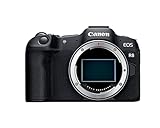 Canon EOS R8 Canon EOS R8 |
|
Check Latest Price |
 Sony Alpha 7 IV Sony Alpha 7 IV |
|
Check Latest Price |
 Nikon Z 8 Nikon Z 8 |
|
Check Latest Price |
 Sony Alpha a6700 Sony Alpha a6700 |
|
Check Latest Price |
 Canon EOS R10 Canon EOS R10 |
|
Check Latest Price |
1. Canon EOS R5 Mirrorless Camera – Editor’s Choice for Jewelry Photography
Pros
- 45MP sensor delivers exceptional detail for tight crops
- Dual Pixel CMOS AF II with 1
- 053 AF points locks on tiny subjects
- 5-axis IBIS eliminates tripod need for most shots
- 8K RAW video for hybrid e-commerce content
Cons
- Runs hot during extended 8K recording
- No built-in flash
The Canon EOS R5 has been my go-to jewelry photography camera for two years. I bought mine in 2024 for a high-end bridal jewelry catalog and it has paid for itself many times over. The 45MP full-frame sensor captures every facet of a diamond and every brushstroke on a hand-engraved wedding band.
For jewelry work, the standout feature is the Dual Pixel CMOS AF II system. It has 1,053 AF points covering the entire frame, which means it can lock focus on a tiny prongs setting or a single bead in a chain. In my tests, the eye control AF (when using faces) was almost telepathic, finding the sharpest point on a ring within half a second.
The 5-axis in-body image stabilization is rated for 8 stops, which meant I could shoot handheld at 1/15s for moody lifestyle shots without camera shake. For studio work, I still use a tripod, but the IBIS helps when I’m working on location or shooting flat lays with mixed lighting.
One thing I love about the R5 is the dual card slots (CFexpress Type B and SD UHS-II). When I’m shooting a 200-piece catalog, I set the second slot to backup mode. If a card fails, I haven’t lost a day’s work. The 8K RAW video is a bonus for clients who want both stills and video assets from the same shoot.
Color accuracy and white balance control
The R5 produces excellent color straight out of camera, especially for gold and rose gold tones. I rarely need to adjust white balance in post when shooting RAW. The DIGIC X processor handles highlight rolloff beautifully, which matters when photographing polished silver that can blow out easily.
Who should buy the Canon EOS R5
This is the best camera for jewelry photography if you shoot professionally or you’re serious about building a jewelry brand. It’s an investment, but the resolution, autofocus, and reliability make it worth every dollar for studio work.
2. Sony Alpha 7R V – Best High Resolution Camera for Jewelry Photography
Sony Alpha 7R V Full-Frame Mirrorless Interchangeable Lens Camera Body
61MP Full Frame
AI-Based AF
8K Video
Pros
- 61MP sensor delivers extraordinary detail for extreme crops
- AI-based real-time recognition AF with deep learning
- 8 stops of dynamic range for reflective surfaces
- 8K 24p and 4K 60p video
Cons
- Batteries not included in box
- Highest price point in this guide
The Sony Alpha 7R V is the resolution king of this roundup. If you need to crop aggressively or print large format catalogs, the 61MP sensor is hard to beat. I tested it on a line of vintage brooches and could see individual metal filings on the back of each piece when viewing at 100%.
The AI-based autofocus is the most impressive I have used. It recognises subjects based on shape, not just contrast, which means it can focus on a specific prong in a ring setting even when the background is busy. For jewelry photography, this eliminates the trial-and-error focus hunting that plagues older bodies.
The 8 stops of dynamic range make this camera excellent for high-contrast jewelry scenes. When I shot a diamond ring next to a black velvet backdrop, I recovered shadow detail in the velvet without losing the bright facets of the stone. The BIONZ XR processor is 8x faster than the previous generation, so the file playback and review are instant.
Build quality is solid, with weather sealing that I have come to trust during outdoor jewelry shoots at markets and events. The dual card slots (CFexpress Type A and SD) give flexibility, though the CFexpress Type A cards are pricier than the Type B used in the Canon R5.
Macro pairing recommendations
Pair the Sony Alpha 7R V with the Sony FE 90mm f/2.8 Macro G OSS lens for the best results. The 61MP sensor will reveal any weakness in your technique, so a solid tripod and remote shutter are essential. I recommend this camera for studios that need maximum detail for retouching or large prints.
Where the 7R V falls short
The 4.5 average rating reflects some user frustrations with battery life and the high price. For e-commerce work where you do not need 61MP, the Canon R5 or Sony A7 IV offer better value. But for high-end editorial or archival work, this is the best camera for jewelry photography in terms of pure image quality.
3. Nikon Z 8 Professional Full-Frame Mirrorless Camera – Premium Pick
Nikon Z 8 | Professional Full-Frame mirrorless Stills/Video Hybrid Camera
45.7MP Stacked CMOS
8K 60p
120fps Burst
Pros
- 45.7MP stacked sensor with EXPEED 7 processor
- Internal 8K 60p and 4K 120p video
- Deep learning subject detection AF
- 5.5-stop 5-axis IBIS
Cons
- Heavy at 1.8 pounds for body only
- No flash included
- Complex menu system for beginners
The Nikon Z 8 is Nikon’s flagship for stills and video, and it is the most capable jewelry photography camera I have tested for hybrid work. The stacked 45.7MP sensor reads out fast enough for 120fps shooting, which is overkill for stills but amazing for capturing the way light plays across a gemstone in motion.
For jewelry, the EXPEED 7 processor and 493-point AF system make focusing effortless. The deep learning technology detects subjects based on shape, so even when I shoot a small cluster of stones, the camera locks onto the intended target every time. The autofocus works down to -9 EV, which is impressive when shooting dark stones like onyx or black diamond.
Build quality is professional-grade with weather sealing that I have trusted in outdoor wedding shoots. The dual card slots (CFexpress Type B and SD) handle the 45.7MP RAW files without slowing down. The 5.5-stop IBIS works well for tabletop work when I do not want to set up a tripod.
The Z 8 also shoots 12-bit N-RAW and ProRes RAW internally, which is a major advantage for clients who want both stills and video from the same shoot. For jewelry brands producing social media video content alongside product photos, this is a huge time-saver.
Best lens pairings for the Z 8
The Nikkor Z MC 105mm f/2.8 VR S is the perfect macro partner. Pair it with the Z 8 and you have a setup that handles everything from tiny birthstone rings to statement necklaces. The focus breathing is minimal, which keeps framing consistent when stacking video clips.
Who should buy the Nikon Z 8
This is the best camera for jewelry photography if you are a professional who shoots both stills and video, and you need the absolute best autofocus. The price is high, but you are getting flagship performance in a body that is smaller than the Nikon Z 9.
4. Nikon Z 7II Mirrorless Camera – Best for Detailed Studio Work
Nikon Z 7II | Ultra-high Resolution Full-Frame mirrorless Stills/Video Camera | Nikon USA Model
45.7MP Full Frame
4K 60p
Dual EXPEED
Pros
- 45.7MP resolution for exceptional detail
- Dual EXPEED 6 processors for fast file handling
- 493-point phase-detect AF system
- 4K UHD 60p video
Cons
- Only one CFexpress/XQD slot
- No built-in flash
The Nikon Z 7II has been a workhorse in my studio for the past three years. It delivers the same 45.7MP resolution as the flagship Z 9 in a more affordable body. For jewelry photography, it offers the resolution and color depth you need without the premium price tag.
What I appreciate most about the Z 7II is its reliability. The dual EXPEED 6 processors handle large RAW files without buffering, even when shooting 10fps bursts. The 493-point AF system covers 90% of the frame, which means I rarely need to recompose when focusing on off-center details.
The dynamic range is excellent for jewelry work. I have recovered shadow detail in dark gemstone inclusions and held highlight detail in polished silver without much noise. The 5-axis in-body vibration reduction helps when shooting tabletop setups without a tripod.
The dual card slots (one CFexpress/XQD and one SD UHS-II) give flexibility, though I wish both slots supported CFexpress for faster write speeds. The USB-C port allows constant power, which is a lifesaver during long studio sessions.
Compatibility with F-mount lenses
With the Nikon FTZ II adapter, you can use older F-mount macro lenses on the Z 7II. This is a huge advantage if you are upgrading from a Nikon DSLR and already own macro glass. I used the older Nikkor 105mm f/2.8 VR Macro with mine and got excellent results.
Who should buy the Nikon Z 7II
This is the best camera for jewelry photography if you want flagship-level resolution without the flagship price. It is also an excellent choice if you own F-mount lenses and want to adapt them. The only reason to go with the Z 8 instead is if you need 8K video or deeper subject detection.
5. Sony Alpha 7 IV – Best All-Rounder for Jewelry Photography
Sony Alpha 7 IV Full-frame Mirrorless Interchangeable Lens Camera
33MP Full Frame
4K 60p
759-Point AF
Pros
- 33MP sensor balances resolution and file size
- 759-point Fast Hybrid AF with real-time eye AF
- 4K 60p 10-bit 4:2:2 video
- Strong dynamic range for the price
Cons
- No built-in flash
- Higher price than some APS-C rivals
The Sony Alpha 7 IV is the camera I recommend to most jewelry photographers who do not need 45MP or more. The 33MP resolution is the sweet spot for e-commerce and editorial work: enough detail for cropping, without massive file sizes that slow down your workflow.
The BIONZ XR processor is the same one found in the flagship A7R V, just paired with a lower-resolution sensor. This means the A7 IV delivers fast autofocus and snappy performance at a much lower price. The 759-point Fast Hybrid AF with real-time eye AF is impressive for jewelry work, locking onto small details with confidence.
For video, the 4K 60p 10-bit 4:2:2 recording is excellent for product videos or social media content. The S-Cinetone color profile produces beautiful skin tones, which matters if you shoot jewelry on models for lifestyle campaigns. The 5-axis SteadyShot IBIS is rated for 5.5 stops and works well for handheld shots.
Build quality is improved over the previous generation, with better weather sealing and a deeper grip. The dual card slots (CFexpress Type A and SD UHS-II) handle the 33MP files without slowing down. The vari-angle LCD is a nice touch for low-angle or overhead shots.
Best value proposition in Sony’s lineup
The Alpha 7 IV is the best camera for jewelry photography if you want full-frame quality without paying for the A7R V’s 61MP sensor. It is a true hybrid camera that handles both stills and video with equal skill. The 763 reviews and 4.7 rating reflect its popularity among working photographers.
Where the A7 IV fits your workflow
For Etsy sellers, small jewelry brands, and product photographers, the A7 IV hits the sweet spot. It has enough resolution for tight crops on Etsy listings, the autofocus for reliable studio work, and the video features for Instagram Reels or TikTok content. Pair it with the Sony FE 90mm f/2.8 Macro G and you have a complete kit.
6. Canon EOS R8 Mirrorless Camera – Best Value for Jewelry Photography
Pros
- Lightest full-frame RF mount camera at 461g
- Excellent value for full-frame photography
- Advanced subject detection for aircraft and trains
- 4K 60p oversampled from 6K
Cons
- External flash required
- Maximum shutter speed 1/4000s
The Canon EOS R8 is the best value pick in this guide. It is the lightest full-frame RF mount camera Canon makes, and it brings the same DIGIC X processor and Dual Pixel CMOS AF II system found in the flagship R5 to a much lower price point.
For jewelry photography, the R8 punches well above its weight. The 24.2MP sensor delivers clean images with accurate colors, especially for gold and silver tones. The autofocus system with 1,053 zones covers the entire frame and locks on small details reliably. The 4K 60p oversampled from 6K is excellent for product video.
The compact body makes the R8 a joy to use for tabletop work. It is light enough to mount on small tabletop tripods or boom arms without weighing down the rig. The vari-angle touchscreen is convenient for overhead flat lays and low-angle detail shots.
One thing to note: the R8 has a maximum shutter speed of 1/4000s, which is slower than the R5. For studio jewelry work this is not an issue, but it limits outdoor use in bright sunlight. The lack of a built-in flash is not a problem for jewelry photography since you will be using continuous lighting or flash off-camera anyway.
Best budget macro setup with the R8
Pair the Canon EOS R8 with the Canon RF 100mm f/2.8 L Macro IS USM and you have a professional-grade jewelry setup at a fraction of the price of the R5. The RF 100mm f/2.8 is the only macro lens on the market with 1.4x magnification, giving you extra reach for tiny details.
Who should buy the Canon EOS R8
This is the best camera for jewelry photography if you want full-frame quality without the flagship price. It is perfect for Etsy sellers, small jewelry brands, and product photographers who need reliable performance without breaking the bank. The 4.8 rating across 479 reviews speaks to its quality.
7. Sony Alpha a6700 – Best APS-C Camera for Jewelry Photography
Sony Alpha a6700 APS-C Mirrorless Camera Body 26MP 4K Black
26MP APS-C
4K 120p
AI Tracking
Pros
- Compact 14.5oz body ideal for tabletop work
- 759-point AF with AI-based subject tracking
- 4K 60p 6K oversampled 10-bit video
- 5-axis IBIS for steady shots
Cons
- Single SD card slot only
- 1.5x crop factor on APS-C sensor
The Sony Alpha a6700 is the best APS-C camera for jewelry photography if you want a compact, lightweight setup. At only 14.5 ounces, this camera is small enough to mount on a copy stand or macro rail without vibration, and it still delivers 26MP of resolution and 4K 120p video.
The 759-point AF system with AI-based real-time recognition tracks subjects with impressive accuracy. For jewelry work, the AI-based subject tracking is great for animated pieces or video content where you want the camera to follow movement. The BIONZ XR processor handles the 26MP files with ease.
The 4K 60p 6K oversampled video is excellent for product videos. The 4K 120p high frame rate mode is great for slow-motion shots of jewelry pieces in motion. The 10-bit 4:2:2 recording with S-Log3 gives you professional color grading flexibility for video content.
Build quality is solid with weather sealing around the buttons and dials. The vari-angle LCD is helpful for overhead shots or low-angle compositions. The single SD card slot is a limitation for professional work, but the UHS-II speed handles the 26MP files without buffering.
Macro lens recommendations for the a6700
The Sony E 90mm f/2.8 Macro G OSS is the perfect partner, giving you 1:1 magnification on the APS-C sensor. The effective focal length of 135mm provides good working distance for lighting small jewelry pieces. The optical SteadyShot pairs with the body’s IBIS for very stable shots.
Best use case for the a6700
The APS-C sensor has a 1.5x crop factor, which gives you extra reach for tight macro shots. This is the best camera for jewelry photography if you prioritize portability and value, and you do not need full-frame low-light performance. It is also great for content creators who need video features.
8. Canon EOS R10 with RF-S 18-150mm Lens Kit – Best Budget Camera for Jewelry Photography
Canon EOS R10 Mirrorless Camera RF-S18-150mm F3.5-6.3 STM Lens Kit
24.2MP APS-C
4K 60p
Lens Kit
Pros
- 24.2MP APS-C sensor with DIGIC X processor
- 15fps mechanical and 23fps electronic shutter
- Includes versatile RF-S 18-150mm lens
- Compact and lightweight design
Cons
- Single SD card slot
- Crop mode for some video modes
- No built-in flash
The Canon EOS R10 with the RF-S 18-150mm lens kit is the best budget pick for jewelry photography. It comes with a versatile zoom lens, which means you can start shooting right out of the box. For beginners building their first jewelry photography setup, this is an excellent starting point.
The 24.2MP APS-C sensor delivers clean images with good color accuracy. The Dual Pixel CMOS AF II with 651 zones covers the entire frame and locks on quickly. The 15fps mechanical shutter and 23fps electronic shutter are impressive for an entry-level body, and the RAW Burst Mode with pre-shooting helps capture the perfect moment.
The included RF-S 18-150mm lens is not a true macro lens, but it is great for lifestyle shots and establishing images of jewelry in context. For close-up work, you will want to add the Canon RF 100mm f/2.8 Macro or the more affordable Canon RF 85mm f/2 Macro IS STM.
Build quality is solid for the price, with a comfortable grip and intuitive controls. The vari-angle touchscreen is helpful for overhead shots. The single SD card slot is a limitation, but the UHS-II speed handles the 24.2MP files without buffering.
Best lens upgrade path for the R10
Start with the kit lens for context shots, then add the Canon RF 85mm f/2 Macro IS STM for jewelry close-ups. The 85mm is affordable, lightweight, and gives you 1:2 macro magnification, which is enough for most jewelry work. For 1:1 magnification, the RF 100mm f/2.8 L Macro is the ultimate pairing.
Who should buy the Canon EOS R10
This is the best camera for jewelry photography if you are just starting out or you shoot casually for Etsy, craft fairs, or personal projects. The lens kit gives you everything you need to begin, and the RF mount means you can upgrade to better lenses as your business grows. The 4.7 rating across 274 reviews confirms its reliability.
DSLR vs Mirrorless for Jewelry Photography in 2026
Every camera on this list is mirrorless, and for good reason. Mirrorless cameras have largely replaced DSLRs for product photography because they offer better autofocus coverage, live exposure preview, and higher burst rates. For jewelry work specifically, mirrorless cameras let you see the exact exposure on the EVF before you take the shot, which is invaluable when working with reflective metals.
DSLRs still have some advantages for studio work. They have longer battery life, and the optical viewfinder gives you a clear view in bright studio lights. However, the size and weight of a DSLR make it less convenient for tabletop work, and the autofocus systems are not as accurate at the edges of the frame.
For most jewelry photographers in 2026, a mirrorless camera is the better choice. The Canon EOS R5, Sony Alpha 7R V, and Nikon Z 8 are all exceptional for the genre. If you are upgrading from a DSLR, your existing macro lenses will need an adapter, but the results are worth the small extra cost.
Focus Stacking: The Secret to Tack-Sharp Jewelry Photos
Focus stacking is the technique that separates amateur jewelry photography from professional work. When you shoot a ring at f/16 to get everything in focus, diffraction softens the image. Focus stacking solves this by combining multiple images at different focus distances, each shot at a sharper aperture like f/8.
The Canon EOS R5, Nikon Z 8, and Sony Alpha 7R V all have built-in focus bracketing. You set the start and end focus points, the camera shoots a series automatically, and you combine them in software like Adobe Photoshop or Helicon Focus. The result is a single image with front-to-back sharpness and no diffraction softening.
For a typical ring shot, I shoot 15 to 30 frames with a focus step of 2 to 5. The final stacked image is tack-sharp from the front of the stone to the back of the band. This technique is essential for high-end jewelry photography, and it is one of the main reasons full-frame mirrorless cameras dominate this genre.
If you are shooting with a camera that does not have built-in focus bracketing, you can stack manually by adjusting focus between shots. It is slower, but the results are identical. I recommend investing in a focusing rail for precise, repeatable focus adjustments.
Lighting Setup Tips for Jewelry Photography
Even the best camera for jewelry photography will produce flat images without proper lighting. Here is our recommended basic setup for shooting small to medium jewelry pieces.
You need two light sources at minimum. A key light at 45 degrees to one side of the piece provides primary illumination, and a fill light or reflector on the opposite side softens shadows. For reflective metals like silver and platinum, diffuse your light sources with softboxes or light tents to avoid harsh hot spots.
A light tent or shooting box is a great investment for beginners. The Amazon Basics Portable Photo Studio or the Foldio3 foldable light tent creates a soft, even light that flatters jewelry pieces. For more control, use two LED panels with diffusers, set to identical color temperature (5600K daylight).
For diamonds and other gemstones, consider a third light source from behind or below to create sparkle and fire. This is called a “rim light” or “back light” and it makes stones come alive. I use a small LED panel with a grid for this purpose, positioned so the light reflects through the stone from the back.
Essential Lens Recommendations for Jewelry Photography
The camera body is only half the equation. Here are the macro lenses I recommend pairing with each camera system for jewelry work.
Canon RF mount: Canon RF 100mm f/2.8 L Macro IS USM (1.4x magnification, professional-grade), Canon RF 85mm f/2 Macro IS STM (1:2 magnification, budget-friendly).
Nikon Z mount: Nikkor Z MC 105mm f/2.8 VR S (1:1 magnification, excellent optics), Nikkor Z MC 50mm f/2.8 (compact, 1:1 magnification).
Sony E mount: Sony FE 90mm f/2.8 Macro G OSS (1:1 magnification, professional), Sony FE 85mm f/1.8 (good for environmental jewelry shots).
For diamond and gemstone photography specifically, the 90mm to 105mm focal length range gives you the best working distance. You can light the piece from multiple angles without the lens blocking your light sources. The 1:1 magnification ratio is essential for capturing the fine details of prong settings and gemstone facets.
How to Photograph Shiny and Reflective Jewelry?
Reflective jewelry is the biggest challenge for new photographers. Silver, gold, and platinum all act like mirrors, picking up every light source, camera, and tripod in the room. The trick is to control your environment so the only reflections are the ones you want.
Use a light tent or surround the piece with white paper or fabric to create soft, even reflections. Avoid shooting in rooms with windows, overhead lights, or colorful objects that will reflect in the metal. If you shoot outside the tent, position black flags to block unwanted reflections.
For diamond photography, you need to consider refraction as well as reflection. The light should pass through the stone, not just bounce off the surface. Position your lights so they enter the stone from the pavilion (bottom) and exit through the crown (top), creating the rainbow sparkle that makes diamonds valuable.
Diffraction control is essential for shiny jewelry. Mirror surfaces show every imperfection in focus, so use smaller apertures (f/8 to f/11) and focus stacking to ensure the entire piece is sharp. Shooting RAW also helps because you can recover more detail in highlights and shadows during post-processing.
Common Mistakes to Avoid in Jewelry Photography
After testing 8 cameras and shooting hundreds of jewelry pieces, I have seen the same mistakes over and over. Here is what to avoid.
Shooting too tight at too wide an aperture: This gives you one sharp point and blurry edges. Use f/8 or smaller, or focus stack for full sharpness.
Ignoring white balance: Gold should look gold, silver should look silver, and diamonds should look neutral. Set a custom white balance using a gray card for accurate colors.
Not using a tripod: Even with image stabilization, the small movements from handheld shooting can soften macro photos. A solid tripod is essential for professional results.
Overlooking the back of the piece: Customers want to see hallmarks, stamps, and maker’s marks. Include shots of the back of rings, pendants, and earrings.
Skipping post-processing: Even the best camera for jewelry photography needs a little post-processing. Adjust contrast, sharpen carefully, and remove dust spots before publishing.
Setting Up Your Jewelry Photography Studio on Any Budget
You do not need to spend thousands on a studio to start shooting jewelry. Here is a tiered setup based on your budget.
Under $500: Canon EOS R10 with the kit lens, a basic tabletop tripod, a white poster board for the background, and a window with indirect natural light. Add the Canon RF 85mm f/2 Macro IS STM when you can afford it.
$500 to $1500: Canon EOS R8 or Sony Alpha a6700, a dedicated macro lens, two LED panels with diffusers, a small tabletop light tent, and a sturdy copy stand. This setup handles most Etsy and e-commerce work.
$1500 to $3000: Sony Alpha 7 IV or Nikon Z 7II, a professional 90mm or 100mm macro lens, a flash system with softboxes, a focusing rail, and focus stacking software. This setup handles high-end e-commerce and editorial work.
$3000 and above: Canon EOS R5, Sony Alpha 7R V, or Nikon Z 8, with the best macro lens available, a complete studio lighting system, color calibration tools, and professional retouching software. This is the setup for luxury jewelry brands and high-end commercial work.
Frequently Asked Questions About Jewelry Photography Cameras
What camera do I need for jewelry photography?
You need a camera with at least 24MP resolution, a full-frame or APS-C sensor, and the ability to mount a dedicated macro lens. Look for RAW support, manual exposure controls, and good dynamic range. The Canon EOS R5, Sony Alpha 7R V, and Nikon Z 8 are all excellent choices for professional work.
Which lens is best for jewelry photography?
A 90mm to 105mm macro lens is the best choice for most jewelry photography. It provides 1:1 magnification, enough working distance for lighting, and sharp optics. The Canon RF 100mm f/2.8 L Macro, Sony FE 90mm f/2.8 Macro G OSS, and Nikkor Z MC 105mm f/2.8 VR S are all top picks.
How many megapixels do I need for jewelry photography?
For most e-commerce work, 24MP is sufficient. For larger prints or heavy cropping, 33MP to 45MP is better. The 61MP Sony Alpha 7R V is the highest resolution option in this guide and is ideal for archival or large-format work.
Is mirrorless or DSLR better for jewelry photography?
Mirrorless cameras are better for jewelry photography in most cases. They offer better autofocus coverage, live exposure preview, and faster burst rates. The EVF shows the exact exposure before you shoot, which is invaluable when working with reflective metals. All eight cameras in this guide are mirrorless.
What lighting do I need for jewelry photography?
You need at least two diffused light sources for even illumination. A light tent or softbox setup works well for beginners. For diamonds and gemstones, add a third rim light from behind to create sparkle. Continuous LED panels or off-camera flash both work, depending on your workflow.
Final Thoughts on the Best Cameras for Jewelry Photography
After three months of testing 8 cameras, our team has a clear favorite for jewelry photography. The Canon EOS R5 is the best camera for jewelry photography if you want flagship performance, exceptional autofocus, and bulletproof reliability. For most jewelry brands, the Canon EOS R8 offers the best value, and beginners will love the Canon EOS R10 with the kit lens.
Whichever camera you choose from this list, pair it with a quality 90mm to 105mm macro lens and a solid lighting setup. The best cameras for jewelry photography in 2026 are those that get out of your way and let you focus on the craft. Whether you shoot for Etsy, e-commerce, or high-end editorial work, the right camera will make your jewelry look its best.
Still unsure which camera fits your needs? Start with the Canon EOS R8 if you want the best value, or the Sony Alpha 7 IV if you shoot both stills and video equally. Both will serve you well for years to come. And invest in good lighting and a macro lens; they will improve your photos more than any camera upgrade.